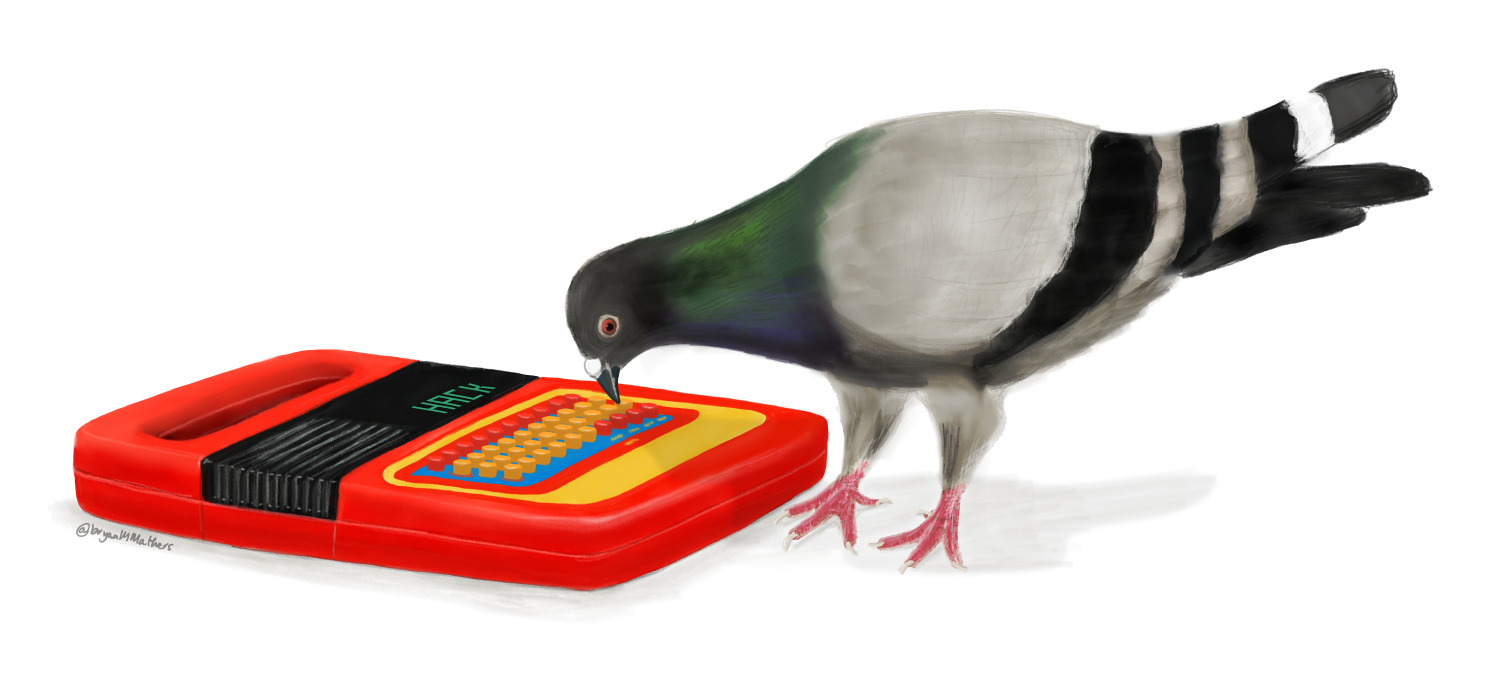
The Productivity Software Way of Thinking


I was supposed to give a 20-minute presentation this morning, but alas, it is 2026 and our household, once again, has COVID. So I’m skipping the part where I read this piece of writing aloud to a Zoom audience, even though there’d be no chance of infecting them with anything other than my silly ideas. You, dear recipient of this email, might still catch the contagion...
I sometimes describe my work as "the history of the future" of education technology. That is, I'm interested in the field's past, but how it has always described itself in terms of "tomorrow," in terms of potential, in terms of "the coming tsunami" – that was the phrase used for MOOCs back in 2012 – in terms of something inevitable, but something yet-to-come.
This all is, of course, quite curious as we now have, by my calculations at least, over a century of ed-tech to look back on. It was 1926 when Ohio State University professor Sidney Pressey published his first article explaining his invention, the teaching machine. And for all the hype about the current "AI" moment or the coming "AI" revolution, this timeframe conveniently ignores that "AI" has been intertwined with education – in research and in practice – for its entire history, that is for about 75 years.
I want to talk about something a little more mundane today, but something that has, I believe, laid the groundwork for computing's latest attack on our cognition. I want to talk about "productivity software." That adjective right there – productivity – sort of givus away the game.